 Products, Systems, and Custom Solutions
 Project Data
 Project Description
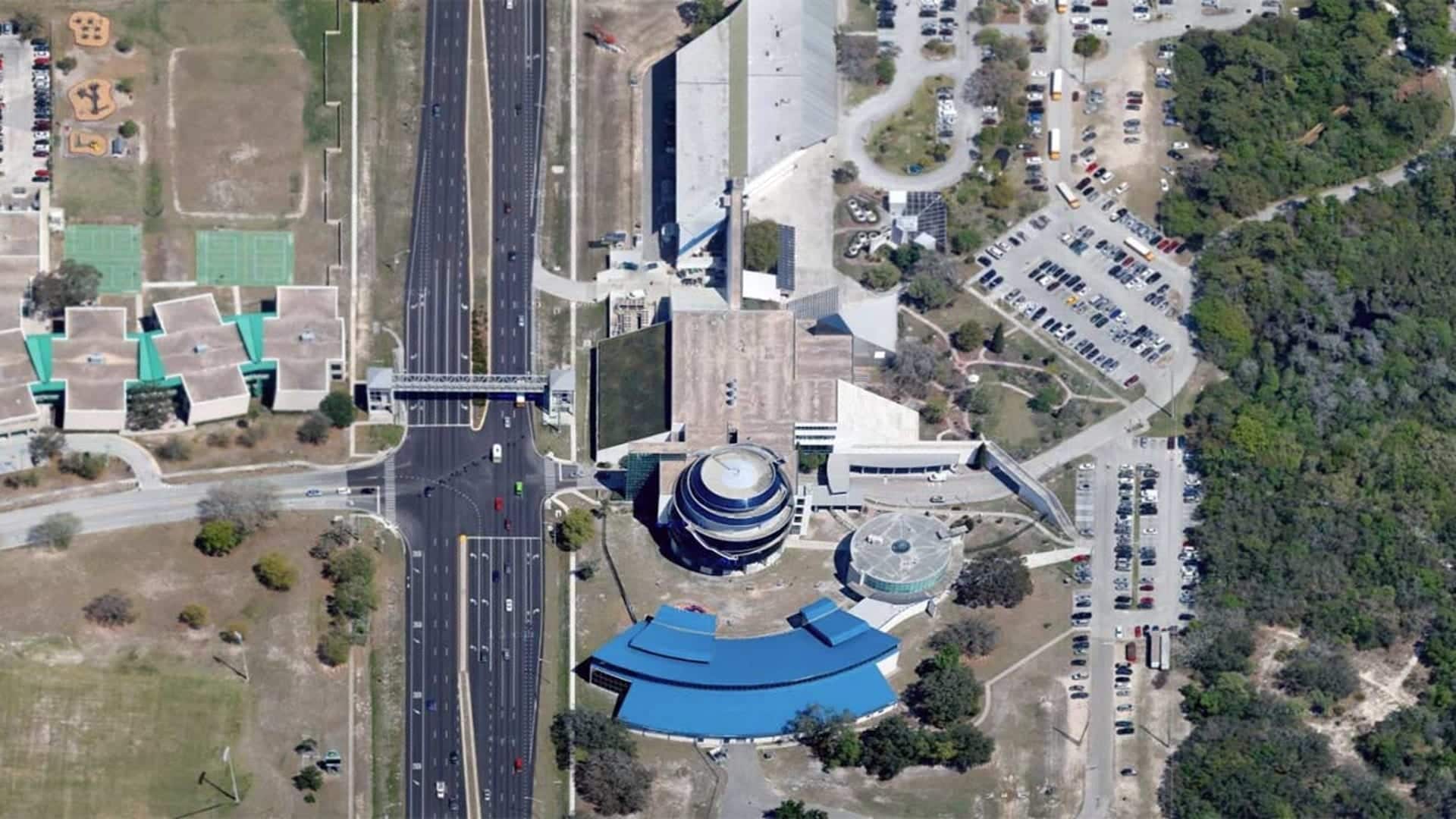
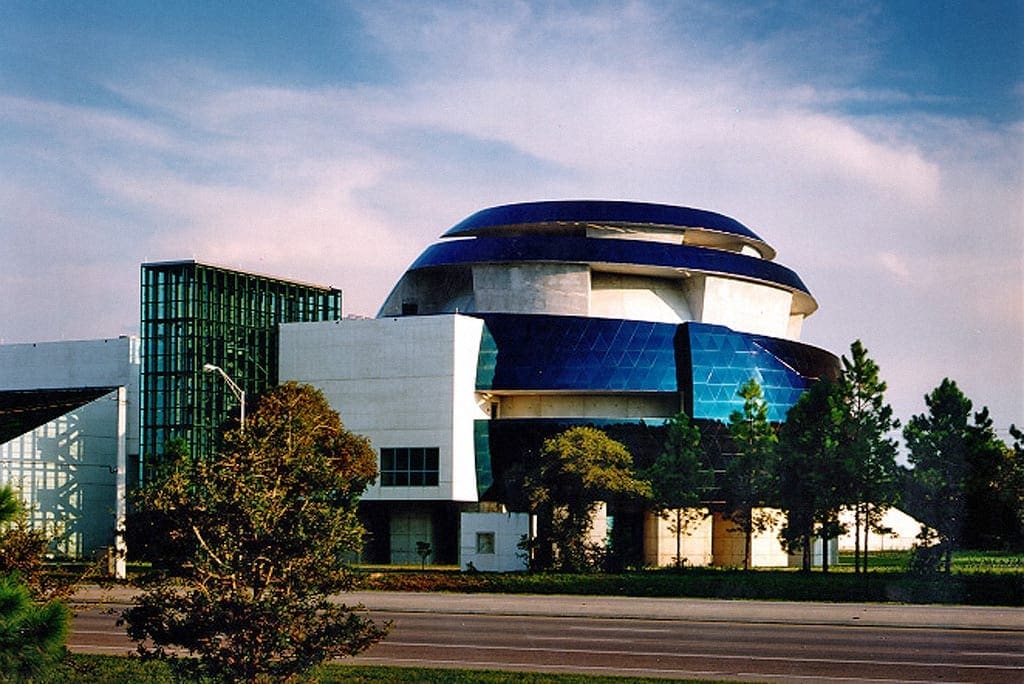
The Museum of Science and Industry (MOSI) in Florida
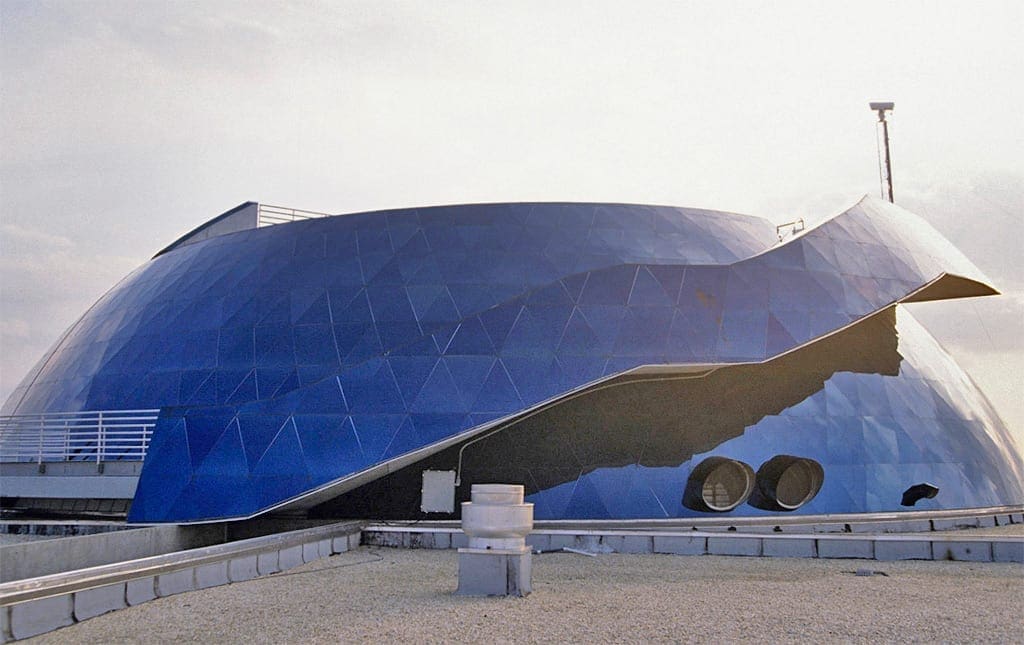
Completed in 1995, this spherical theater is the key organizing element of the entire facility. Zahner was involved in the design-engineering, fabrication, and installation of several interior and exterior elements within the complex, including the lush blue reflective dome itself. Antoine Predock, the architect who designed MOSI, began working with Zahner design engineers early in the schematic phase to develop a curvilinear system that would support the project.
MOSI was the first project Zahner produced by Antoine Predock, and the first project by Zahner to include dual curvatures. This marked a turning point in the way that Zahner produces its metal surfaces. Zahner had just completed the Weisman Museum with Frank Gehry, one of the earliest projects with Gehry and Zahner. The demands on the metal surface were many, but none of compared to what the Tampa dome would require.
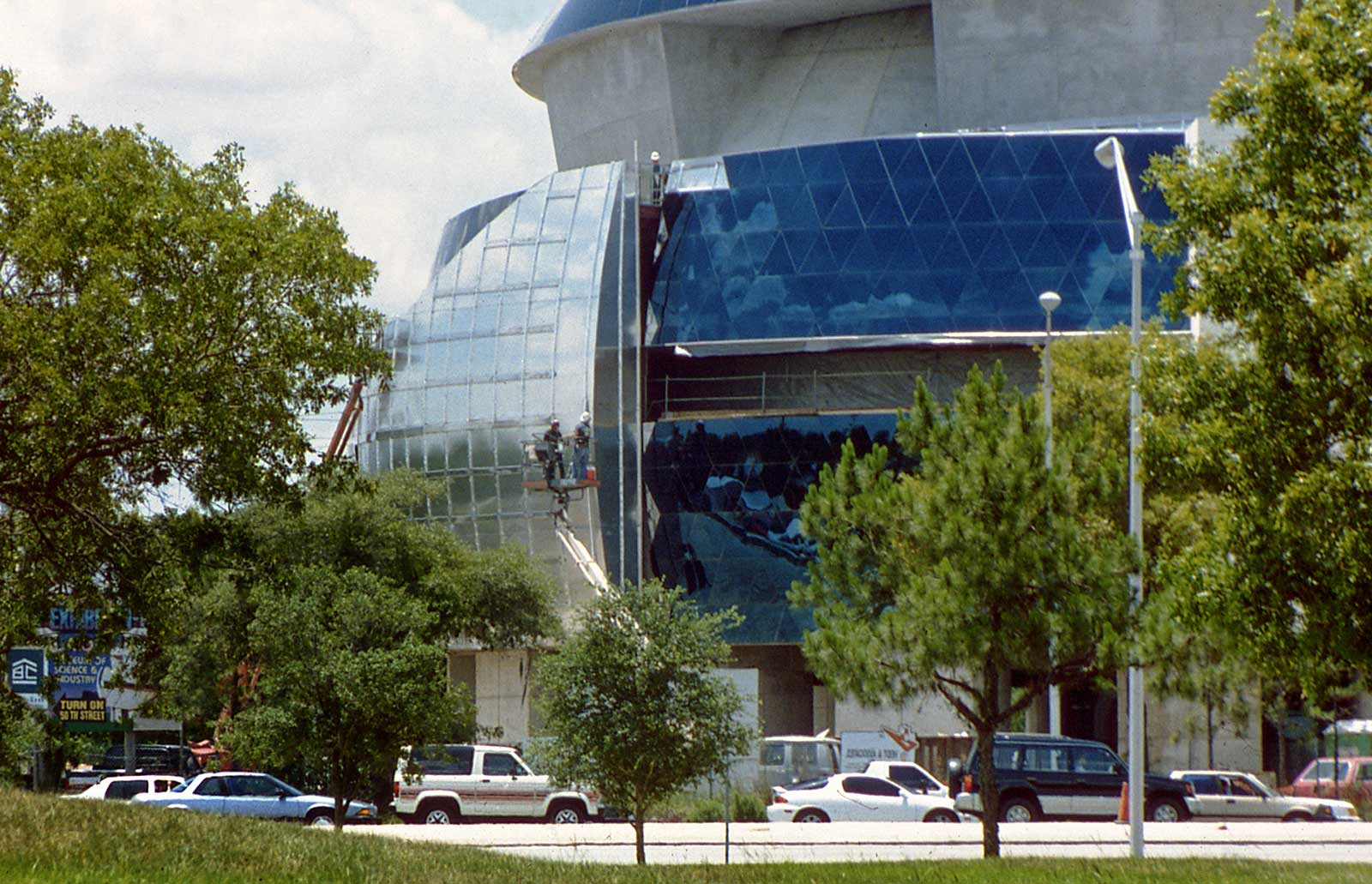

Manufacturing the complex facade for MOSI
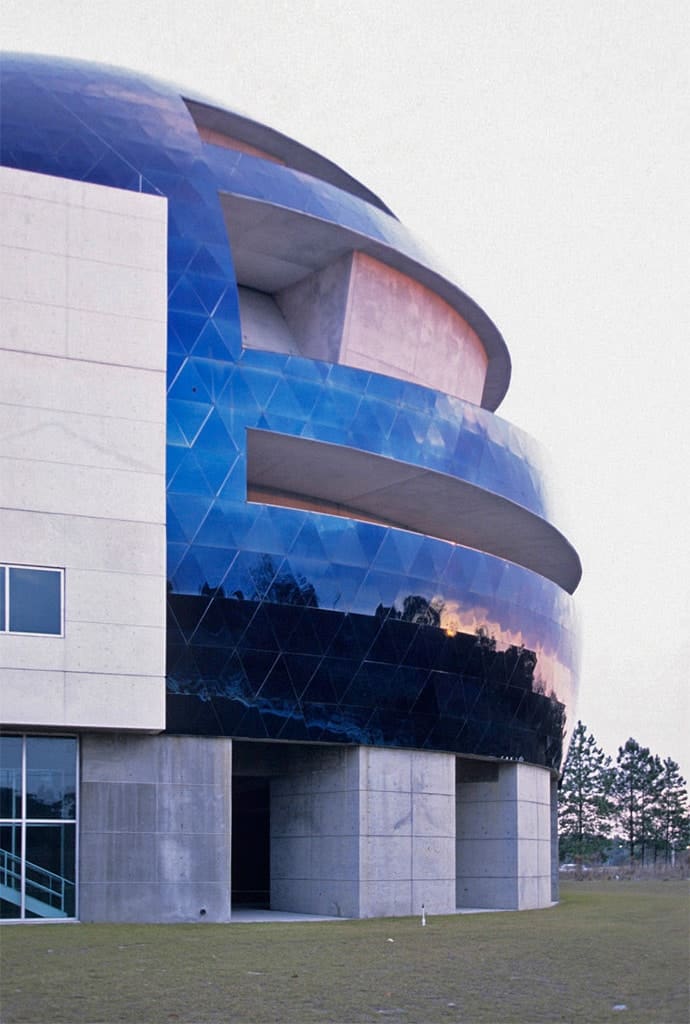
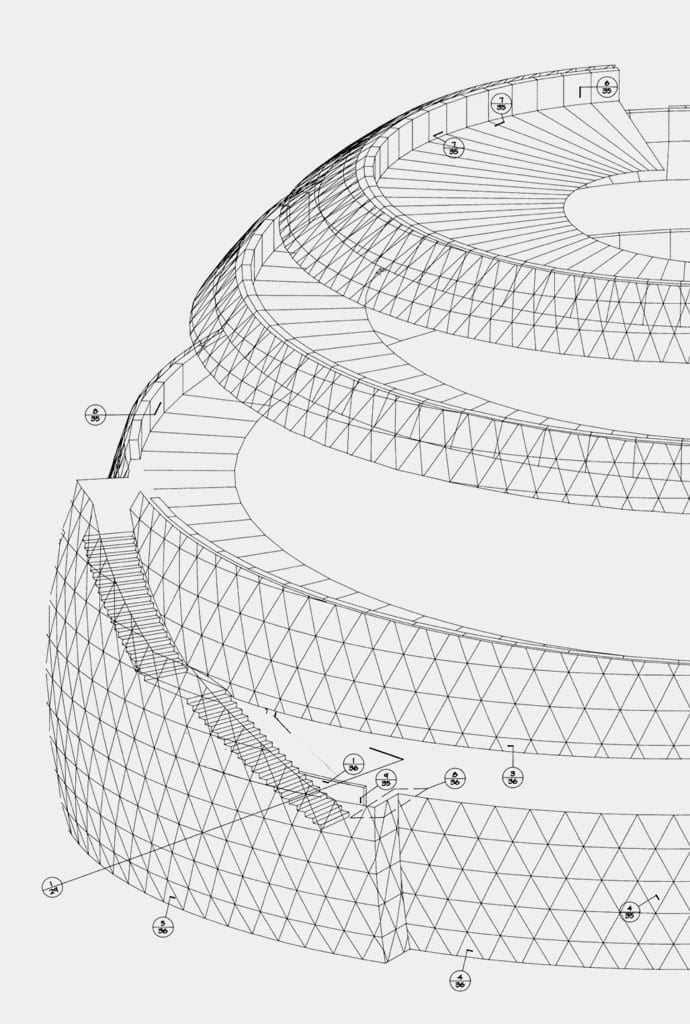
The Museum of Science and Industry in Tampa introduced new hurdles for the performance of sheet metal on curvilinear buildings. The dome of the spherical shape of the dome would require the metal surface to curve in two directions at once, which is the definition of dual curvatures. Similar to a sheet of paper, metal sheets do not want curve in both directions.
To overcome this obstacle, Zahner and Predock developed a triangulated panel system which would allow smooth dual-curving of the metal surface. This project was completed a few years before Zahner would go on to influence the Zahner ZEPPS technology. This system provides both the structure and the surface. However, this project was pre-ZEPPS, and as such, the project was accomplished using a more rudimentary aluminum substructure.
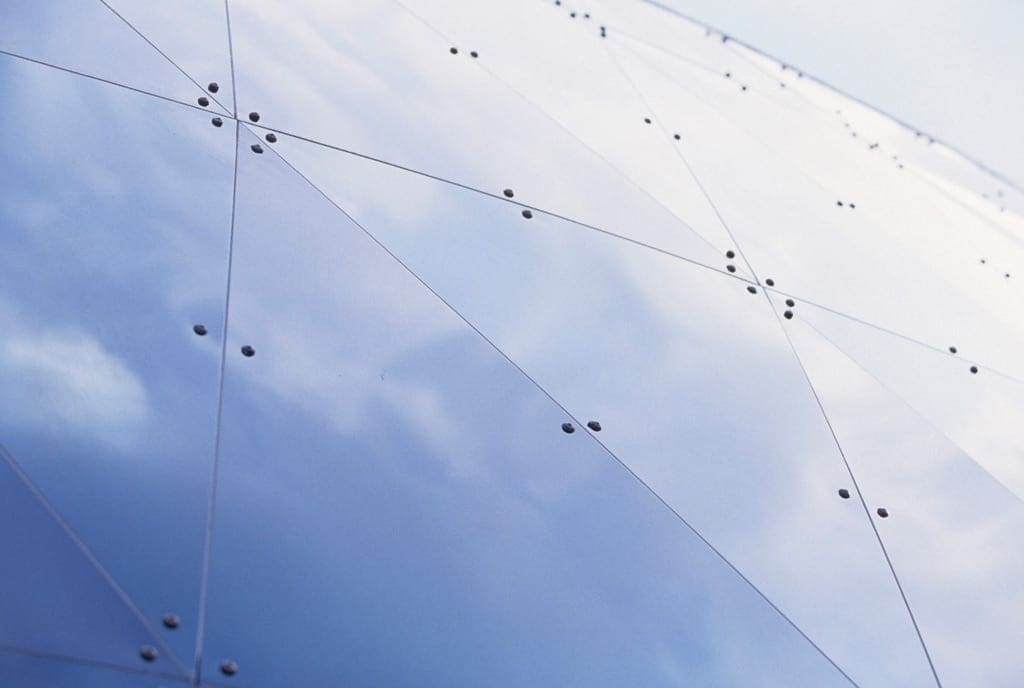
The mirror-polish stainless steel used for the project was chosen by the architects to evoke the sky and waters of Tampa Bay, less than twenty miles from the museum. The reflective finish creates unexpected lush colors reflected from both the green grounds surrounding the building, as well as the range of tones seen in the skies.
The mirror surface of the museum creates opportunities for luscious sunset tones across the surface of the metal, as seen above. In this case, the triangular panelization of the metal creates visual interest by dividing up the reflected planes, much like pillowed glass or the oil-canning of metal.
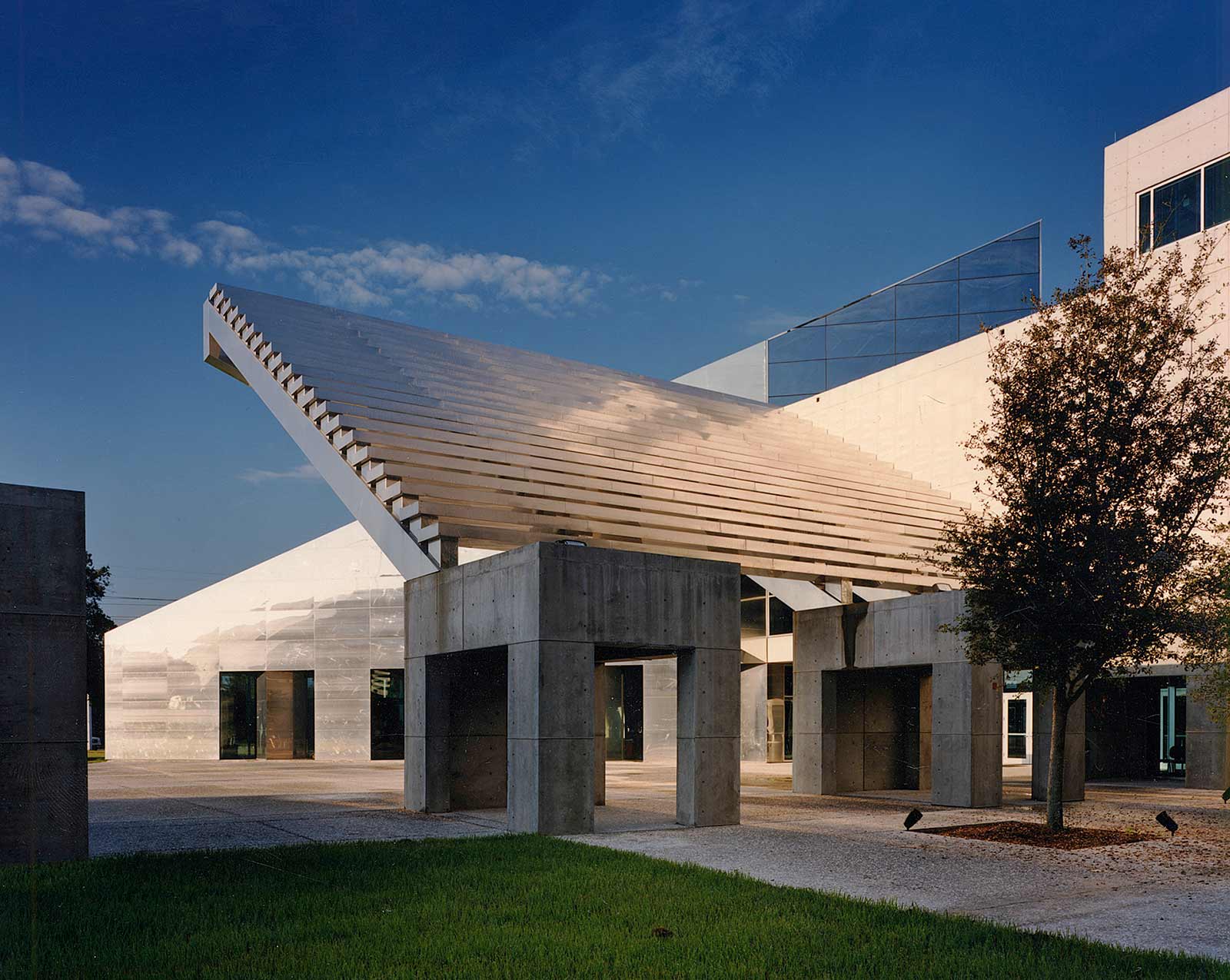
Zahner’s expertise was also required for a few other aspects of the museum, including the perforated drop ceiling systems, the aluminum peepholes in the south elevation, and the museum shop which is clad in a reflective stainless steel surface.
 Recent Projects